
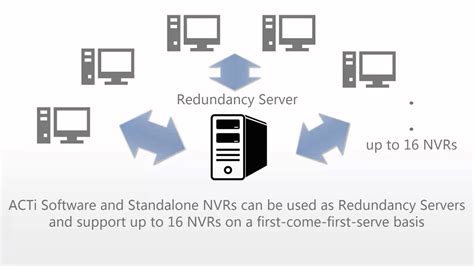
Server Hardware Redundancy
How are you? In today’s digital age, ensuring the reliability of your server infrastructure is crucial. Server Hardware Redundancy is vital for maintaining uptime and performance. Implementing redundant systems can protect your data and keep your services running smoothly during failures. By understanding these concepts, you can better prepare your organization for the unexpected.
Daftar Isi:
- Introduction to Server Hardware Redundancy
- Importance of Redundant Systems
- Types of Server Hardware Redundancy
- Benefits of Implementing Redundancy
- Challenges in Server Redundancy
- Best Practices for Redundant Servers
- Conclusion and Future Trends
Feel free to continue reading to explore how Server Hardware Redundancy can positively impact your organization. The more you know, the better equipped you will be to tackle potential issues upfront. Understanding the nuances of these systems not only enhances your technological prowess but also ensures peace of mind for you and your team. By investing in redundancy, you’re ultimately protecting your business’s bottom line. Continue to the sections that detail each aspect of this crucial topic.
Introduction to Server Hardware Redundancy
Server hardware redundancy is a critical aspect of modern IT infrastructure that ensures high availability and reliability of services. In a world where downtime can lead to significant losses, implementing redundancy can mean the difference between seamless operation and catastrophic failure. It involves having backup components, such as power supplies, storage devices, and network interfaces, that can take over in case of a failure of the primary components.
Importance of Redundancy
Implementing redundancy is not just about maintaining uptime; it is also about enhancing system performance and providing a better user experience. Redundant systems can handle more load, as traffic can be distributed across multiple components. Furthermore, regular maintenance can be performed without affecting service availability, ensuring that systems remain robust and responsive.
Types of Redundancy
When considering server hardware redundancy, there are several types to take into account:
| Type | Description | Benefits |
|---|---|---|
| Power Redundancy | Multiple power supplies to keep systems running. | Prevents outages due to power supply failure. |
| Storage Redundancy | RAID configurations allow data to be mirrored. | Data integrity and reliability are improved. |
| Network Redundancy | Multiple network paths to ensure connectivity. | Maintained connectivity in case of network failure. |
| Server Clustering | Multiple servers work together for load balancing. | Improved performance and failover capability. |
Importance of Redundant Systems
In today’s fast-paced technological environment, the importance of server hardware redundancy cannot be overstated. Redundant systems ensure that business operations can continue even in the event of hardware failure. This reliability not only enhances system uptime but also safeguards critical data, ultimately improving user confidence and satisfaction.
Organizations often face the decision of whether to implement a single server system or a redundant setup. Below, we compare these two approaches:
| Feature | Single Server | Redundant Server |
|---|---|---|
| Uptime | Limited; potential downtime during failures | High; failover capabilities ensure continuous operation |
| Data Protection | Vulnerable to data loss during outages | Redundant copies of data prevent loss during failures |
| Cost | Lower initial investment | Higher initial costs, but long-term savings on downtime |
Types of Server Hardware Redundancy
Server hardware redundancy is an essential aspect of modern IT infrastructure, ensuring that systems remain operational even in the face of hardware failures. By implementing redundancy, organizations not only enhance their uptime but also create a robust framework for data protection and service continuity. There are several types of server hardware redundancy that organizations can adopt to achieve these goals.
1. Hot Standby Redundancy
In this configuration, a secondary server operates simultaneously alongside the primary server. This active-active setup allows for the immediate takeover of services without downtime if the primary server fails. The hot standby system maximizes availability and is suitable for mission-critical applications that demand zero downtime.
2. Cold Standby Redundancy
Unlike hot standby, cold standby refers to a spare server that is powered down and not operational until it is needed. While this setup is less costly, it can lead to longer recovery times as the backup server needs to be activated and configured manually, highlighting the trade-offs between cost-efficiency and high availability.
3. N+1 Redundancy
In an N+1 configuration, there are ‘N’ servers that handle the primary workload, plus one additional server that can take over if one of the primary servers fails. This model offers a balance between complexity and reliability, ensuring that service levels can be maintained even with a minor hardware failure without significantly increasing costs.
Comparison Table of Redundancy Types
| Type of Redundancy | Operational Status | Cost | Downtime Risk |
|---|---|---|---|
| Hot Standby | Active | High | Low |
| Cold Standby | Inactive | Low |
Benefits of Implementing Redundancy
Implementing server hardware redundancy is crucial for organizations that rely on continuous operation and minimal downtime. The primary benefit of redundancy is the improved reliability of services. By having duplicate hardware components, such as power supplies, storage, and network interfaces, organizations can ensure that even if one component fails, the system remains operational, thereby reducing the risk of service interruptions.
Furthermore, redundancy supports enhanced data integrity. In the event of a hardware failure, data can be preserved and accessed from backup systems, ensuring that critical information is not lost. This capability is essential for businesses where data is a vital asset, and the consequences of a data loss incident can be devastating. Thus, organizations can maintain trust with their clients by demonstrating a commitment to protecting their information.
Ultimately, the cost associated with implementing server hardware redundancy is often far outweighed by the financial losses incurred during downtime. Investing in redundancy not only provides peace of mind but also helps organizations maintain a competitive edge in an increasingly digital world.
Challenges in Server Redundancy
Server hardware redundancy is a crucial aspect of maintaining high availability and reliability in modern IT environments. However, implementing redundant systems comes with its own set of challenges. One major challenge is the increased cost associated with purchasing and maintaining duplicate hardware components. Organizations must weigh the benefits of redundancy, such as minimizing downtime, against the financial implications. Furthermore, managing these redundant systems can complicate the network architecture, leading to potential performance issues if not properly configured.
Comparative Analysis of Redundancy Strategies
| Strategy | Pros | Cons |
|---|---|---|
| Active-Active | Maximized resource utilization | Increased complexity in load balancing |
| Active-Passive | Simpler failover processes | Underutilized resources during normal operations |
| Cloud Replication | Scalability and flexibility | Dependency on internet connectivity |
Best Practices for Redundant Servers
In today’s digital landscape, server hardware redundancy plays a crucial role in maintaining high availability and minimizing downtime. Implementing redundancy involves having multiple components, such as power supplies, network interfaces, and servers, that can take over in case one fails. This practice not only enhances reliability but also improves overall performance. To effectively utilize redundancy, businesses should consider factors such as load balancing, regular testing of failover systems, and comprehensive backup solutions.
- What is server hardware redundancy?
- Why is redundancy important for servers?
- How can I implement server redundancy?
- What are the costs associated with hardware redundancy?
- How often should I test my redundant systems?
Conclusion and Future Trends
In conclusion, server hardware redundancy is a critical strategy for enhancing the reliability and uptime of IT infrastructure. As organizations increasingly depend on continuous access to data and applications, employing redundant server architectures ensures that potential failures do not lead to significant operational disruptions. This proactive approach not only safeguards critical business functions but also builds trust with clients and stakeholders regarding data integrity and availability.
Looking forward, the trends in server hardware redundancy are evolving alongside advancements in technology. With the incorporation of artificial intelligence and machine learning, systems can now predict potential failures before they happen, enabling even more effective redundancy measures. Furthermore, as cloud computing continues to gain traction, hybrid models that combine on-premises redundancy with cloud capabilities will likely emerge, providing businesses with flexible and scalable solutions.“Redundancy in server hardware is not merely an option but a necessity in today’s fast-paced digital landscape.”
In summary, the importance of server hardware redundancy cannot be overstated. As we advance, organizations must remain vigilant and adaptable, implementing innovative practices that align with their operational needs. This commitment to excellence will ensure resilience and longevity in an ever-changing technological environment.
Thank you for reading, and we look forward to seeing you again in our other interesting articles!Read other articles
Read also other articles
End of Article