
macines industries food
 How are you? In today’s article, we will explore the fascinating world of macines in the food industry. The role of technology in transforming food production is immense, and understanding these machines can provide valuable insights. We’ll discuss various concepts and innovations that shape the industry, ensuring that you are well-informed about the latest trends. Join us as we dive deep into this exciting topic!
Daftar Isi:
- Introduction to Macines in the Food Industry
- Types of Macines Used
- Importance of Efficient Machines
- Automation in Food Processing
- Maintenance of Industrial Machines
- Safety Measures for Food Machines
- Innovations in Food Technology
- Sustainable Practices in the Industry
- Future of Food Machines
- Case Studies of Successful Implementation
- Challenges Faced by the Industry
- Research and Development in Food Machines
- Conclusion and Future Perspectives
As you digest this information, we encourage you to continue reading! Each section will uncover more about the pivotal machines that are shaping the food industry. The intricate details of their functions, usage, and innovations will certainly provide you with a deeper understanding. So, don’t hesitate to click on the links above and explore each topic in detail. Happy reading!<
Introduction to Machines in the Food Industry
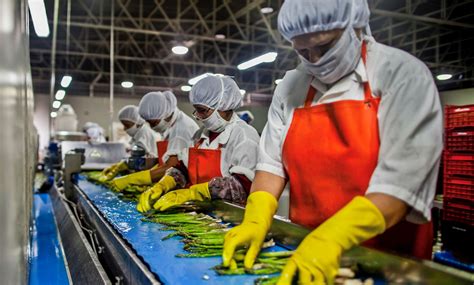 The food industry is increasingly reliant on advanced machines that enhance production efficiency and maintain food safety standards. These machines vary from simple tools for small operations to complex automated systems used in large-scale manufacturing. Understanding the role of machines in food processing is crucial for optimizing production and ensuring quality.
Types of Machines in Food Processing
There is a wide array of machines deployed in the food industry, each serving unique purposes. Some of the most common types include:
- Mixers and Blenders
- Conveyor Systems
- Filling and Packaging Machines
- Freezing and Refrigeration Units
- Dehydrators
- Cooking Equipment
- Quality Control Machines
Benefits of Using Machines
Implementing machines in food production processes offers numerous advantages, such as:
- Increased production speed
- Consistent product quality
- Enhanced safety and hygiene
- Labor cost reduction
- Improved energy efficiency
- Flexibility in manufacturing
- Accurate measurement and portioning
Types of Machines Used
In the food industry, various machines play a crucial role in the processing and packaging of food products. The types of machines used can vary widely based on the specific needs of the operation. Below are some common categories of machines employed in food manufacturing.
1. Processing Machines
Processing machines are essential for transforming raw materials into finished products. These include mixers, grinders, and blenders. Each of these machines is designed to perform specific tasks to ensure the quality and consistency of the food products.
2. Packaging Machines
Packaging machines are vital for the storage and distribution of food products. They help in sealing, labeling, and bottling food items. Automated packaging increases efficiency, reduces waste, and ensures that products remain fresh.
3. Cooking Machines
Cooking machines such as ovens, fryers, and steamers are crucial in the preparation of food. These machines allow for the precise cooking of various food items, ensuring that they are delicious and safe to consume.
4. Quality Control Machines
To maintain product quality, quality control machines are employed. These may include sorting machines that eliminate defective products before they reach consumers, ensuring that every item meets safety standards.
Comparison of Machines
| Machine Type | Function | Importance |
|---|---|---|
| Processing Machines | Transform raw ingredients | Ensure quality and consistency |
| Packaging Machines | Seal and label products | Increase efficiency and maintain freshness |
| Cooking Machines | Prepare food items | Guarantee taste and safety |
| Quality Control Machines | Inspect and sort products |
Importance of Efficient Machines
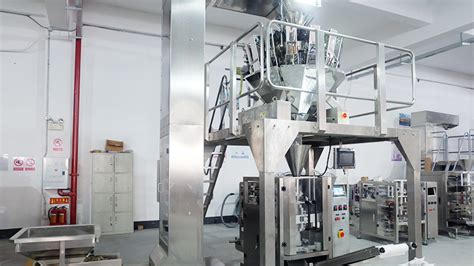 In the food industry, the efficiency of machines is crucial for ensuring high productivity and maintaining product quality. Efficient machines minimize waste, reduce production time, and ultimately enhance the profitability of the business. By investing in advanced technology, companies can streamline their processes and meet the ever-growing demands of consumers.
Moreover, efficient machines play a significant role in maintaining food safety standards. Machines that operate efficiently are less likely to malfunction, which can lead to contamination or spoilage of food products. Therefore, ensuring that machinery is well-maintained and regularly updated is not only beneficial for output but also essential for adhering to health regulations.
It is also important to note that efficiency contributes to sustainability. By utilizing machines that consume less energy and produce fewer emissions, food industry businesses can reduce their environmental footprint. This not only meets regulatory requirements but also appeals to environmentally conscious consumers.
Automation in Food Processing
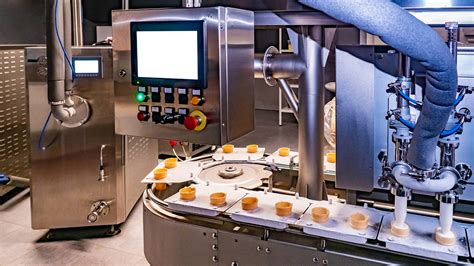 In recent years, the automation of food processing has become a significant trend in the industry. This shift aims to enhance efficiency, reduce labor costs, and improve product consistency. With the implementation of advanced technologies, such as robotics and artificial intelligence, food manufacturing processes are becoming increasingly streamlined.
One of the key benefits of automation is the ability to operate machinery with minimal human intervention. This not only allows for faster production rates but also helps in maintaining high standards of hygiene, which are crucial in food safety. Automated systems can monitor and control various parameters, ensuring that every batch of food meets the required specifications.
Furthermore, automation is paving the way for innovative practices in food processing. For example, smart sensors can detect quality issues in real-time, enabling immediate corrective actions. As the food industry continues to embrace automation, we can expect to see improved product quality, reduced waste, and enhanced overall operational performance.
Maintenance of Industrial Machines
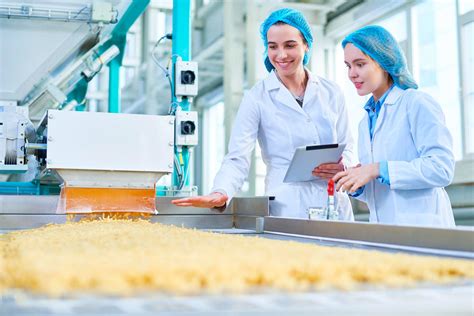 Maintaining industrial machines, especially in the food industry, is crucial for ensuring optimal efficiency and lasting performance. Regular maintenance not only extends the lifespan of the equipment but also ensures compliance with safety standards, which is particularly important in food processing environments. Without proper care, machinery can become a significant source of downtime, leading to financial losses and potential health risks. Therefore, establishing a robust maintenance schedule is a vital step for any organization involved in food production.
- Understanding the importance of regular inspections.
- Identifying potential risks associated with neglected machinery.
- Implementing a preventive maintenance program.
- Training staff on proper machinery use and care.
- Documenting maintenance activities to track performance.
- Utilizing technology for predictive maintenance.
- Reducing operational costs through efficiency improvements.
- Ensuring consistent product quality by minimizing machine failures.
Safety Measures for Food Machines
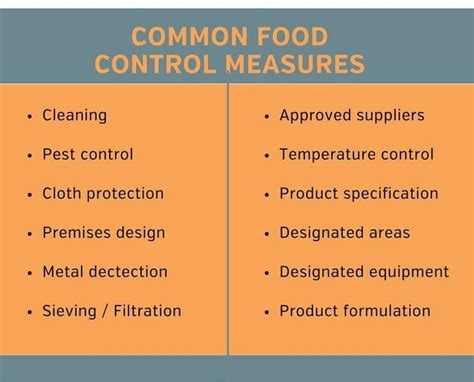 In the food industry, the use of machines has significantly transformed production processes. However, with this transformation comes the necessity of implementing strict safety measures to protect workers and ensure product quality. Regular maintenance and inspection of food machinery are crucial in preventing malfunctions that can lead to severe accidents.
Furthermore, operators should be trained on the proper use of machines to mitigate risks. Proper ergonomics should also be considered, as this can help reduce physical strain on workers and improve efficiency. It’s essential to establish protocols for handling emergencies that may arise due to equipment failures or malfunctions.
In conclusion, focusing on safety measures within food machine operations not only protects workers but also enhances overall productivity and product integrity. Implementing these precautionary strategies should be a priority for all food manufacturing facilities.
Innovations in Food Technology
In recent years, the food industry has witnessed remarkable advancements due to innovations in technology. These developments have not only improved the efficiency of food production but also enhanced food safety and quality. This evolution is essential in meeting the growing demand for food globally.
Automation in Food Processing
Automation plays a crucial role in modern food processing. By implementing robotic systems, manufacturers can increase production speed while reducing human error. This leads to higher efficiency and lower costs in food preparation.
Advanced Preservation Techniques
Innovative preservation methods such as high-pressure processing and cryogenic freezing are revolutionizing how food is stored. These techniques maintain the nutritional value and taste of food, extending shelf life while minimizing waste.
Sustainable Practices
Sustainability is at the forefront of the food industry with innovations in waste management and resource conservation. Techniques like vertical farming and precision agriculture allow for more efficient use of land and water resources, contributing to a more sustainable food system.
Comparison of Traditional vs. Innovative Techniques
| Aspect | Traditional Techniques | Innovative Techniques |
|---|---|---|
| Production Speed | Slow | Fast |
| Cost Efficiency | Higher costs | Lower costs |
| Food Safety | Moderate | Enhanced |
| Sustainability | Limited | High |
As seen in the comparisons, the shift from traditional to innovative techniques brings numerous benefits that enhance food industry operations, making them more efficient, safe, and sustainabl
Sustainable Practices in the Industry
 In recent years, the food processing industry has become increasingly aware of the importance of sustainable practices. This shift comes as a response to growing environmental concerns and consumer demand for healthier food options. Companies are now focusing on reducing waste, conserving water, and using energy-efficient machinery. As part of their sustainability initiatives, many businesses are investing in renewable energy sources and adopting eco-friendly packaging solutions.
- Reduction of carbon footprint
- Utilization of biodegradable materials
- Implementation of water recycling systems
- Enhancing energy efficiency in processing
- Supporting local suppliers
- Minimizing food waste through innovative methods
- Emphasizing organic ingredients
- Incorporating technology for better resource management
Future of Food Machines
The future of food machines is rapidly evolving as technology advances and the demand for efficiency in the food industry increases. As we move forward, automation is set to play a crucial role in food processing, enabling manufacturers to achieve higher productivity while maintaining quality and safety standards. The integration of artificial intelligence (AI) and machine learning into food machinery allows for real-time monitoring and optimization, which not only streamlines operations but also reduces waste and resource consumption.
Comparative Technologies
To understand the impact of these advancements, it’s essential to compare traditional food processing machines with modern, automated systems. Below is a table highlighting the key differences.
| Feature | Traditional Machines | Automated Machines |
|---|---|---|
| Efficiency | Lower output with manual control | High output with automated processes |
| Labor Costs | High due to manual labor | Lower due to reduced workforce requirement |
| Quality Control | Inconsistent due to human error | Consistent, monitored by AI algorithms |
As the food industry embraces these technological advancements, the future looks promising with innovative solutions paving the way for a more sustainable and efficient food production process.
Case Studies of Successful Implementation in Food Machinery Industries
The food machinery industry has witnessed significant advancements in recent years, leading to increased efficiency and productivity. Companies that have successfully integrated modern technologies into their operations have seen remarkable results. For instance, the introduction of automated packaging systems has not only reduced labor costs but also enhanced product quality and shelf life. Furthermore, data analytics tools have allowed manufacturers to optimize their supply chains, resulting in better inventory management and waste reduction.
- What are the main benefits of using food machinery?
- How is automation changing the food machinery industry?
- What technologies are commonly used in the food machinery sector?
- Are there any challenges in implementing new technologies?
- What are the trends shaping the future of food machinery?
The main benefits include increased efficiency, reduced labor costs, improved product quality, and enhanced food safety.
Automation allows for faster production times, consistent product quality, and reduced human error, which can enhance overall productivity.
Common technologies include robotics, AI-driven analytics, automated packaging systems, and temperature control mechanisms.
Yes, challenges may include high initial investment costs, the need for employee retraining, and potential disruptions during the transition period.
Trends include increased focus on sustainability, the adoption of smart technology, and greater customization in food production processes.
Challenges Faced by the Industry
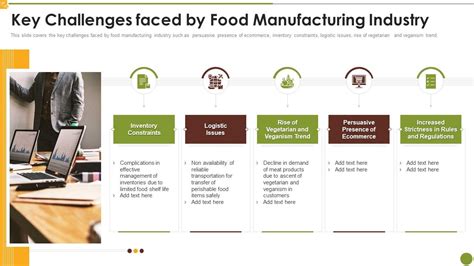 The food machinery industry faces numerous challenges that affect productivity and sustainability. One of the primary issues is regulatory compliance, which requires companies to meet stringent safety and health standards. Additionally, there is a growing demand for automation and technology integration to enhance efficiency, often leading to significant investment costs. The competition in this sector is fierce, driving companies to innovate continuously.
- High costs of machinery maintenance.
- Need for skilled workforce.
- Integration of new technologies.
- Meeting global food safety standards.
- Sourcing raw materials sustainably.
- Managing supply chain disruptions.
- Adapting to changing consumer preferences.
- Environmental impact concerns.
- Ensuring product quality and consistency.
Research and Development in Food Machines
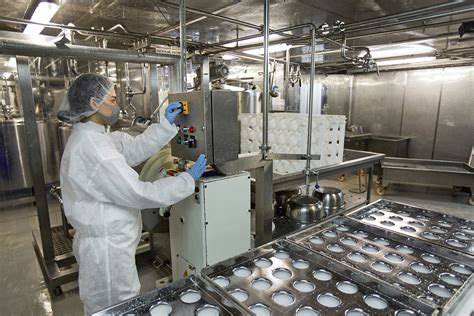 The food machinery industry plays a crucial role in the processing and packaging of food products. With advancements in technology, research and development in food machines have led to innovations that improve efficiency, safety, and sustainability in food production. Key areas of focus include automation, robotics, and smart technology integration to enhance productivity and reduce labor costs.
- Understanding the importance of automation in food processing.
- Exploring innovations in packaging technology.
- Evaluating the impact of robotics on food manufacturing efficiency.
- Investigating sustainable practices within food machinery development.
- Recognizing safety standards in machinery design.
- Analyzing the role of artificial intelligence in optimizing production lines.
- Identifying emerging trends in food machine technology.
Conclusion and Future Perspectives
In conclusion, the role of machines in the food industry has become increasingly vital. These technological advancements not only improve efficiency but also enhance food safety and quality. As industries strive to meet the growing demand for food products, the integration of automation is essential for maintaining competitiveness in the market.
Looking ahead, we can anticipate further innovations in machine technology that will drive even greater improvements in food processing and manufacturing. This includes the development of smart machines equipped with artificial intelligence and machine learning, which can analyze data in real-time to optimize production processes. These advancements promise not only to enhance productivity but also to support sustainable practices in food production.
As we reflect on the impact of machines in the food industry, it is clear that the future holds exciting opportunities for growth and development. Adopting these technologies will be crucial for meeting consumer expectations and improving food supply chains globally. “The future of food production lies in the fusion of technology and tradition.” Until next time, we look forward to exploring more intriguing articles and thank you for your attention.
Read more articlesRead more articlesEnd of Article